01
Precision aluminum cutting
Automatic saw systems for profile, bar, and tube preparation.
Explore capability
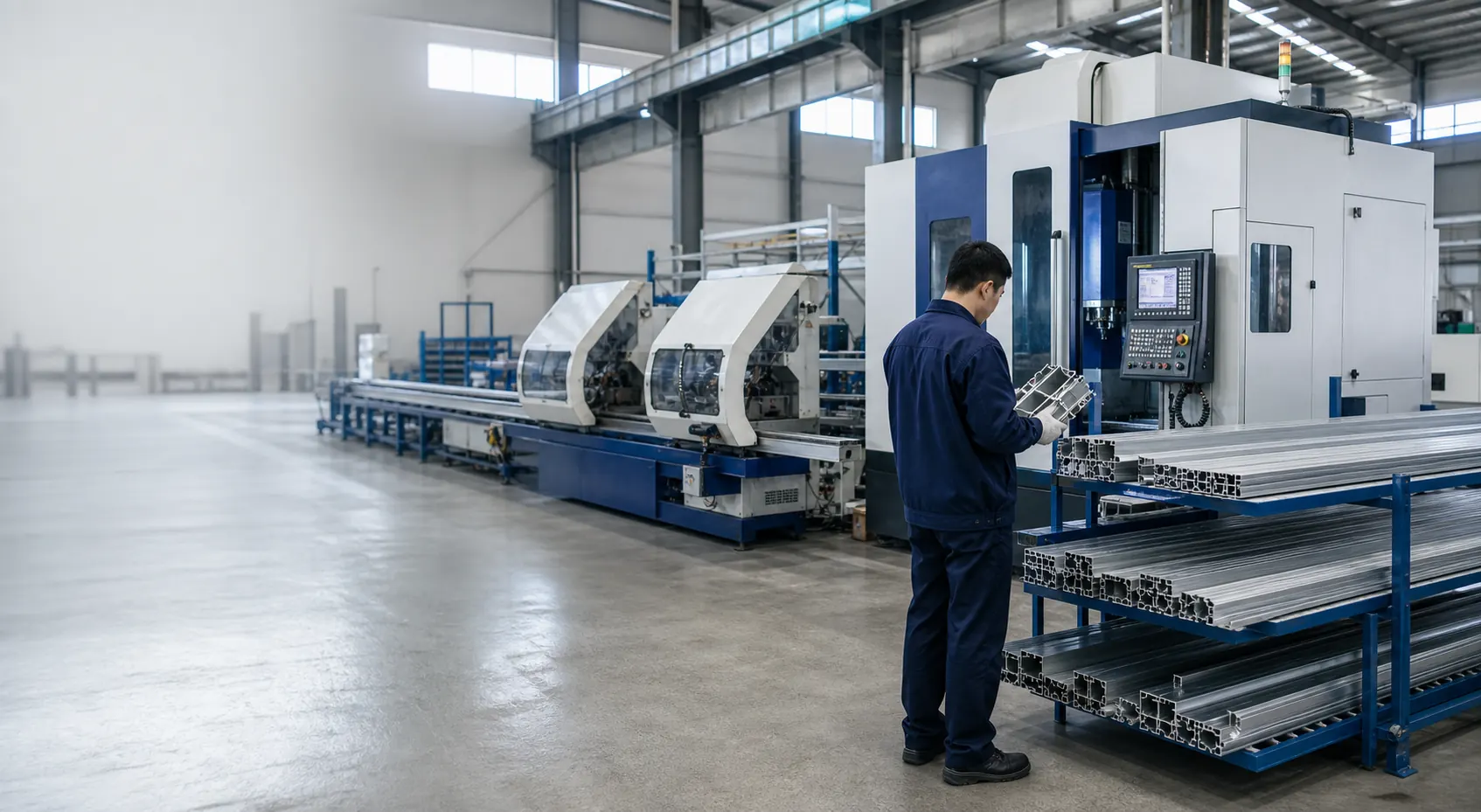
Aluminum processing equipment / South Africa, Nigeria, Ghana, Kenya, and nearby markets
Six focused equipment systems for precision sawing, tube end forming and drawing, billet peeling, and furnace loading, supported by model-level parameters and drawing-led project review.
01
Automatic saw systems for profile, bar, and tube preparation.
Explore capability02
Automatic feeding, positioning, cutting, and discharge for repeat short parts.
Explore capability03
Hydraulic end reducing and PLC-controlled drawing reviewed as one line.
Explore capability04
Hot-billet peeling and automatic loading matched to extrusion line data.
Explore capabilityEquipment catalogue
Every product page publishes the model range, core parameters, selection questions, and the data needed for a technical quotation.
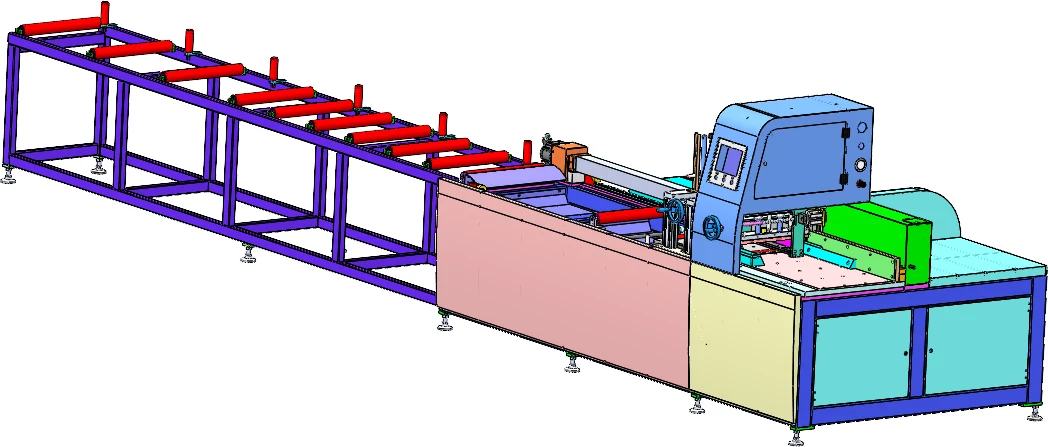
Servo-fed automatic sawing equipment for repeat cutting of aluminum profiles, tubes, and bars.
Model range: ZDJ-405-1500, ZDJ-505-1500, ZDJ-610-1500, ZDJ-505-6000, ZD610-6000
Read parameters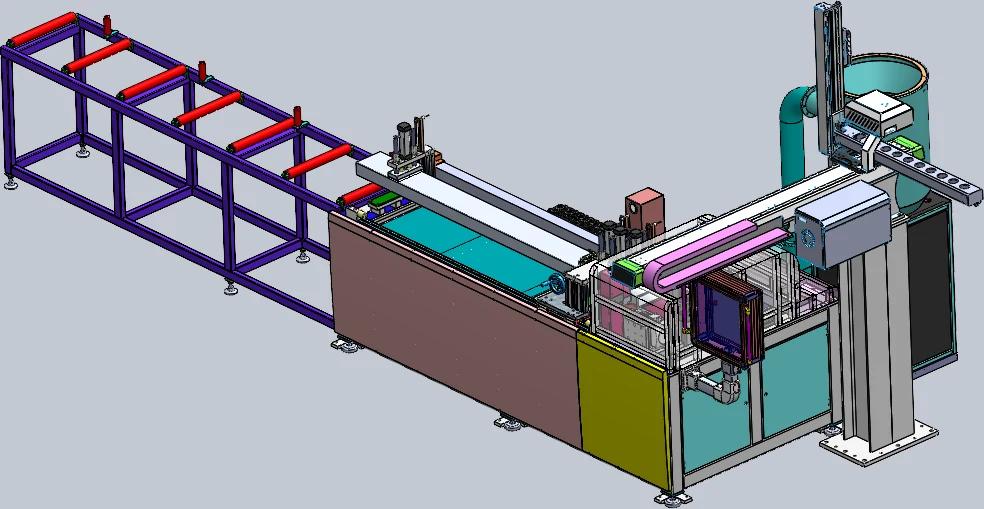
Integrated automatic feeding, positioning, clamping, cutting, and discharge for short aluminum square-tube parts.
Model range: Configured for short square-tube sections
Read parameters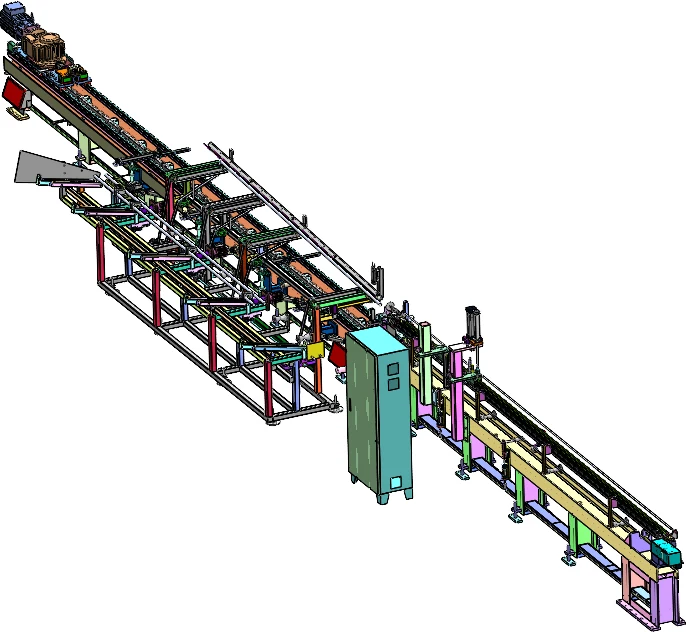
PLC-controlled tube drawing equipment with manual, semi-automatic, and automatic operating modes.
Model range: ZDLBJ-11KW, ZDLBJ-22KW, ZDLBJ-37KW, ZDLBJ-68KW
Read parameters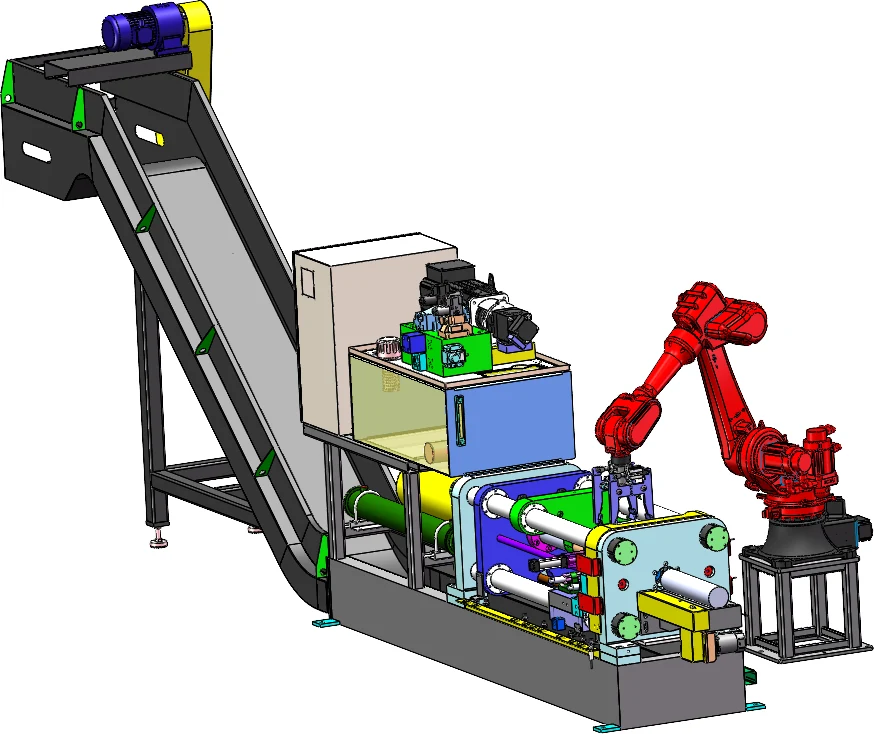
Hot billet surface-oxide removal equipment for extrusion lines, with automatic handling and waste-skin collection options.
Model range: BPJ-Z100, ZDJ-Z178, ZDJ-Z254, ZDJ-Z305
Read parameters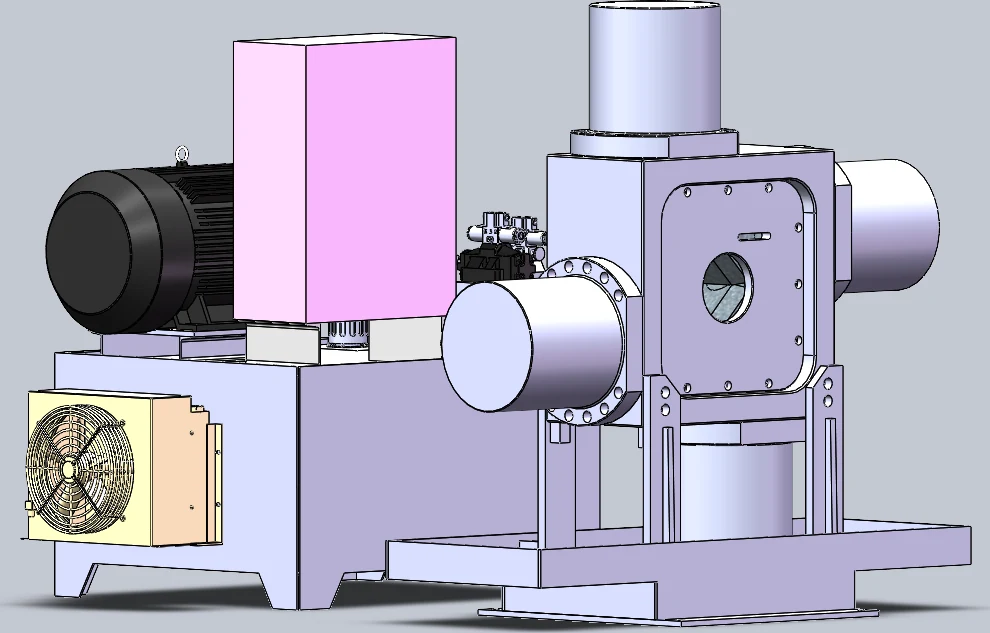
Hydraulic multi-die forming equipment that reduces aluminum tube ends before drawing or downstream processing.
Model range: STJ-80, STJ-250, STJ-320, STJ-350
Read parameters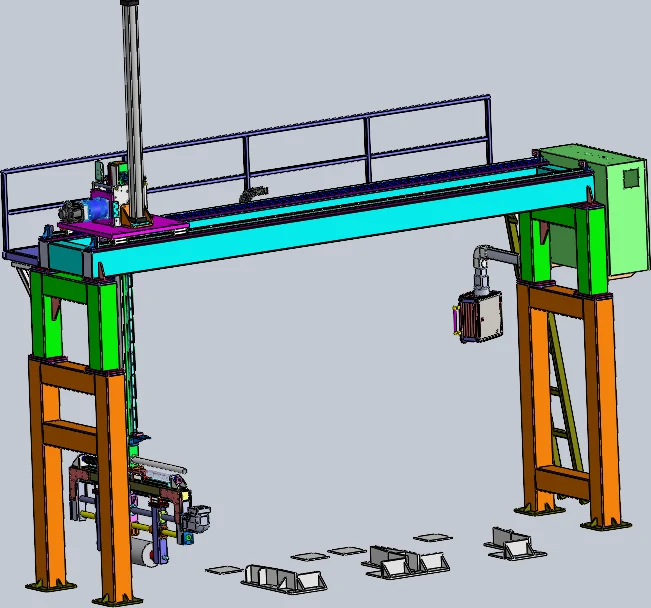
Gantry-style servo manipulator for automatic billet transfer and loading at aluminum heating furnaces.
Model range: Gantry span and gripper configured by furnace and billet layout
Read parametersWhy the information is useful
Professional procurement needs comparable facts and a clear quotation basis. The site is structured around those decisions.
01
Multi-model series are published as visible comparison tables so buyers can screen blade, force, diameter, accuracy, and capacity before inquiry.
02
Machine selection starts with the workpiece, alloy, process, target output, utilities, and destination requirements.
03
Assumptions, inclusions, exclusions, test method, documents, packing, and acceptance criteria can be stated in the quotation.
Equipment view
Open a product page to review parameters, application notes, and the project information needed for quotation.
Project review path
A clear sequence reduces assumptions and makes quotations from different suppliers easier to compare.
Share the drawing, alloy, incoming material, finished dimensions, tolerance, target output, voltage, and available space.
Confirm the model range, tooling, upstream and downstream interfaces, cycle assumptions, and safety requirements.
Fix the scope, documents, inspection method, packing, logistics terms, spare parts, and service responsibilities.
Review assembly, electrical settings, sample operation, measured results, packing evidence, and the final document set.
Latest technical notes
Compare all five ZDJ saw models by blade size, cutting envelope, automatic feed length, sawing accuracy, and tail material before selecting a machine.
Read technical noteA practical method for matching end-reducing diameter, pulling force, tube range, drawing speed, and line sequence before quotation.
Read technical noteCompare billet diameter, length, peeling thickness, cycle time, hot-peeling temperature, and furnace layout before configuring an extrusion preparation line.
Read technical noteTechnical inquiry
Send the drawing, material, process, output, voltage, and destination. We will use those details to define the machine scope and the assumptions behind it.